

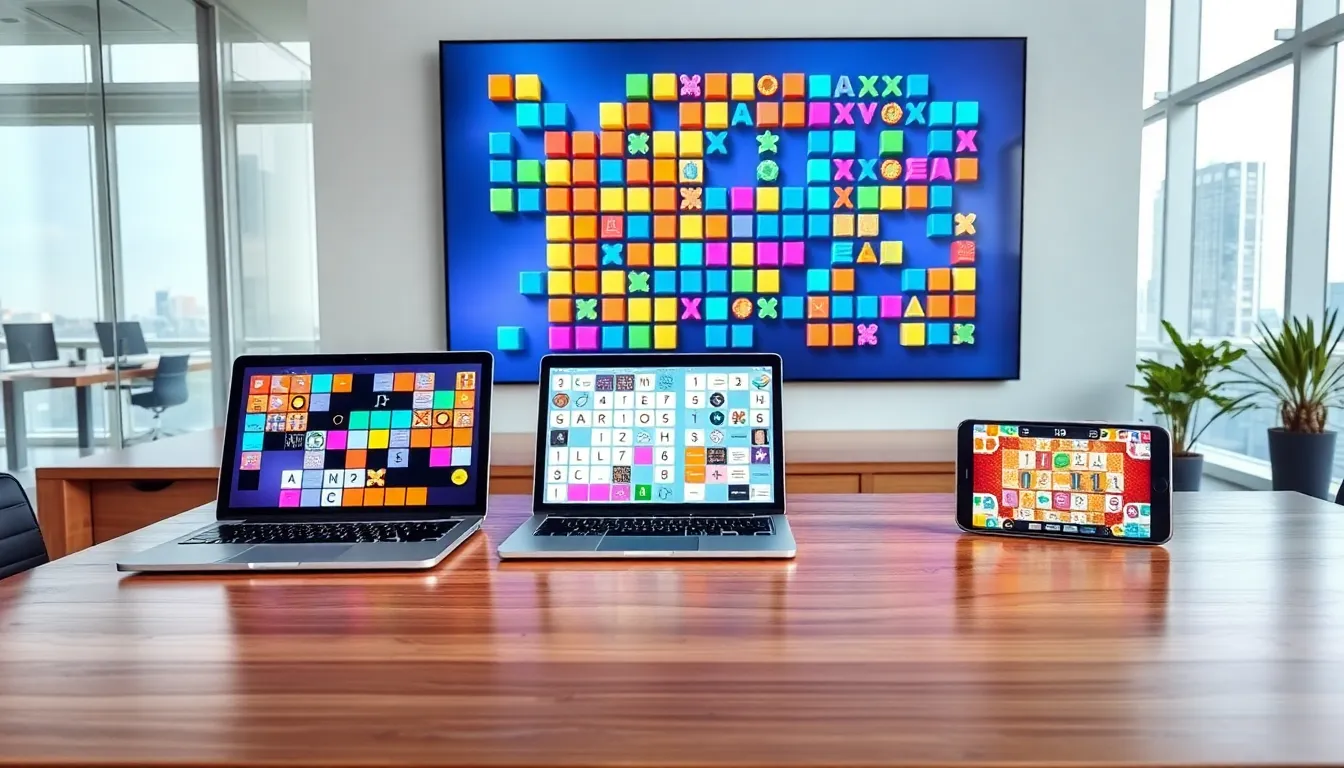
Puzzle games rank among the most enduring and beloved genres in gaming history. From the iconic falling blocks of Tetris to modern mobile hits like Candy Crush, puzzle games challenge players to solve problems using logic, pattern recognition, and creative thinking. But what is puzzle games exactly, and why do millions of people play them daily?
This guide breaks down everything players need to know about puzzle games. It covers the core definition, explores different types, highlights key features, and explains the real benefits of playing. Whether someone is a casual gamer or a dedicated puzzle enthusiast, this complete overview offers useful insights into this popular gaming genre.
Table of Contents
ToggleKey Takeaways
- Puzzle games are a gaming genre focused on problem-solving through logic, pattern recognition, and strategic thinking rather than reflexes or combat.
- Common types of puzzle games include tile-matching, logic, word, physics, hidden object, and escape room puzzles—each offering unique challenges.
- Key features like clear objectives, progressive difficulty, and short play sessions make puzzle games accessible to players of all ages and skill levels.
- Playing puzzle games regularly can improve problem-solving skills, enhance memory, boost concentration, and provide effective stress relief.
- Puzzle games thrive across all platforms, from mobile hits like Candy Crush to acclaimed console experiences like Portal and Tetris Effect.
Defining Puzzle Games
Puzzle games are a genre of video games that focus on problem-solving as the main gameplay mechanic. Players must use logic, strategy, pattern recognition, or spatial reasoning to complete challenges. Unlike action or adventure games, puzzle games typically emphasize mental engagement over reflexes or combat skills.
The core appeal of puzzle games lies in their simplicity combined with depth. Most puzzle games present clear rules and objectives. Players understand what they need to accomplish, but reaching that goal requires thought and planning. This creates a satisfying loop where each solved puzzle delivers a sense of achievement.
Puzzle games can exist as standalone experiences or appear as elements within other genres. Some games are pure puzzle experiences from start to finish. Others incorporate puzzle mechanics into larger adventures. Role-playing games, for instance, often include puzzle sections that break up combat sequences.
The genre spans all platforms and audiences. Puzzle games appear on consoles, PCs, mobile devices, and browsers. They attract both hardcore gamers seeking complex challenges and casual players looking for quick entertainment. This broad accessibility helps explain why puzzle games remain consistently popular across decades of gaming history.
Common Types of Puzzle Games
Puzzle games come in many forms, each offering distinct challenges and gameplay styles.
Tile-Matching Puzzles
Tile-matching puzzle games ask players to arrange pieces based on color, shape, or pattern. Match-three games like Bejeweled and Candy Crush fall into this category. Players swap adjacent tiles to create matches and clear the board.
Logic Puzzles
Logic puzzle games test deductive reasoning. Sudoku games challenge players to fill grids following specific number rules. Portal presents physics-based puzzles requiring creative solutions. These games reward careful thinking over quick reactions.
Word Puzzles
Word puzzle games combine vocabulary skills with problem-solving. Wordle became a global phenomenon by challenging players to guess five-letter words. Scrabble and crossword games also belong to this subcategory.
Physics Puzzles
Physics puzzle games use realistic or simulated physics as the core mechanic. Angry Birds requires players to calculate trajectories. Cut the Rope involves manipulating objects to guide candy into a creature’s mouth. These games make physics principles fun and accessible.
Hidden Object Games
Hidden object puzzle games present cluttered scenes where players must locate specific items. These games test observation skills and attention to detail.
Escape Room Games
Digital escape room puzzle games simulate the real-world experience. Players examine rooms, find clues, and solve interconnected puzzles to progress. These games often feature strong narratives alongside their challenges.
Key Features That Make Puzzle Games Unique
Several characteristics set puzzle games apart from other gaming genres.
Clear Objectives
Puzzle games communicate goals directly. Players know exactly what they need to accomplish. This clarity removes confusion and lets players focus entirely on solving problems.
Progressive Difficulty
Most puzzle games start easy and become harder over time. Early levels teach mechanics. Later levels combine concepts and introduce new twists. This gradual increase keeps players engaged without overwhelming them.
Minimal Reliance on Reflexes
Unlike action games, most puzzle games don’t require fast reactions. Players can take their time to analyze situations. This makes puzzle games accessible to people who struggle with timing-based gameplay.
Replayability
Many puzzle games offer high replay value. Some generate random puzzles each session. Others include multiple difficulty modes or optional challenges. Players can return again and again to test their skills.
Short Play Sessions
Puzzle games often work well in brief bursts. A player can solve a few puzzles during a commute or break. This flexibility fits modern lifestyles where uninterrupted gaming time is limited.
Universal Appeal
Puzzle games transcend age and experience barriers. A child can enjoy simple matching games while adults tackle complex brain teasers. Few other genres offer such wide accessibility.
Benefits of Playing Puzzle Games
Playing puzzle games offers advantages beyond entertainment.
Improved Problem-Solving Skills
Puzzle games train the brain to approach challenges systematically. Players learn to break down large problems into smaller steps. These skills transfer to real-world situations at work and school.
Enhanced Memory
Many puzzle games require players to remember patterns, sequences, or spatial arrangements. Regular play can strengthen short-term and working memory over time.
Better Focus and Concentration
Solving puzzles demands sustained attention. Players must block out distractions and concentrate on the task. This practice can improve focus in other areas of life.
Stress Relief
Puzzle games provide a form of active relaxation. The mental engagement distracts from daily worries. Completing puzzles triggers dopamine release, creating feelings of satisfaction and calm.
Cognitive Health in Aging
Research suggests that mentally stimulating activities like puzzle games may support brain health as people age. While puzzle games aren’t a cure for cognitive decline, they contribute to an active mind.
Accessible Entertainment
Puzzle games require minimal investment. Many excellent options are free or low-cost. They run on devices most people already own. This accessibility makes puzzle games an affordable hobby for anyone.
Popular Examples Across Different Platforms
Puzzle games thrive on every gaming platform. Here are notable examples players can explore.
Mobile Puzzle Games
Mobile devices host countless puzzle games. Candy Crush Saga remains one of the most downloaded games ever. Monument Valley offers stunning visual puzzles with impossible architecture. Threes. introduced innovative number-merging mechanics that inspired many imitators.
Console and PC Puzzle Games
The Portal series stands as a masterpiece of puzzle game design. Players use a portal gun to solve physics-based challenges in increasingly creative ways. The Witness presents an entire island filled with interconnected puzzles. Tetris Effect transforms the classic block-stacking formula into an audiovisual experience.
Browser-Based Puzzle Games
Wordle took the internet by storm with its simple daily word puzzle. Browser games offer instant access without downloads. Many classic puzzle games like Sudoku and crosswords have excellent browser versions.
Hybrid Puzzle Games
Some games blend puzzles with other genres effectively. Professor Layton combines puzzle-solving with adventure storytelling. The Legend of Zelda series features dungeons full of environmental puzzles. These hybrid experiences show how puzzle mechanics enhance diverse game types.
Puzzle games continue evolving with new technologies. Virtual reality opens fresh possibilities for spatial puzzles. Mobile gaming brings puzzle games to billions of potential players worldwide.

