

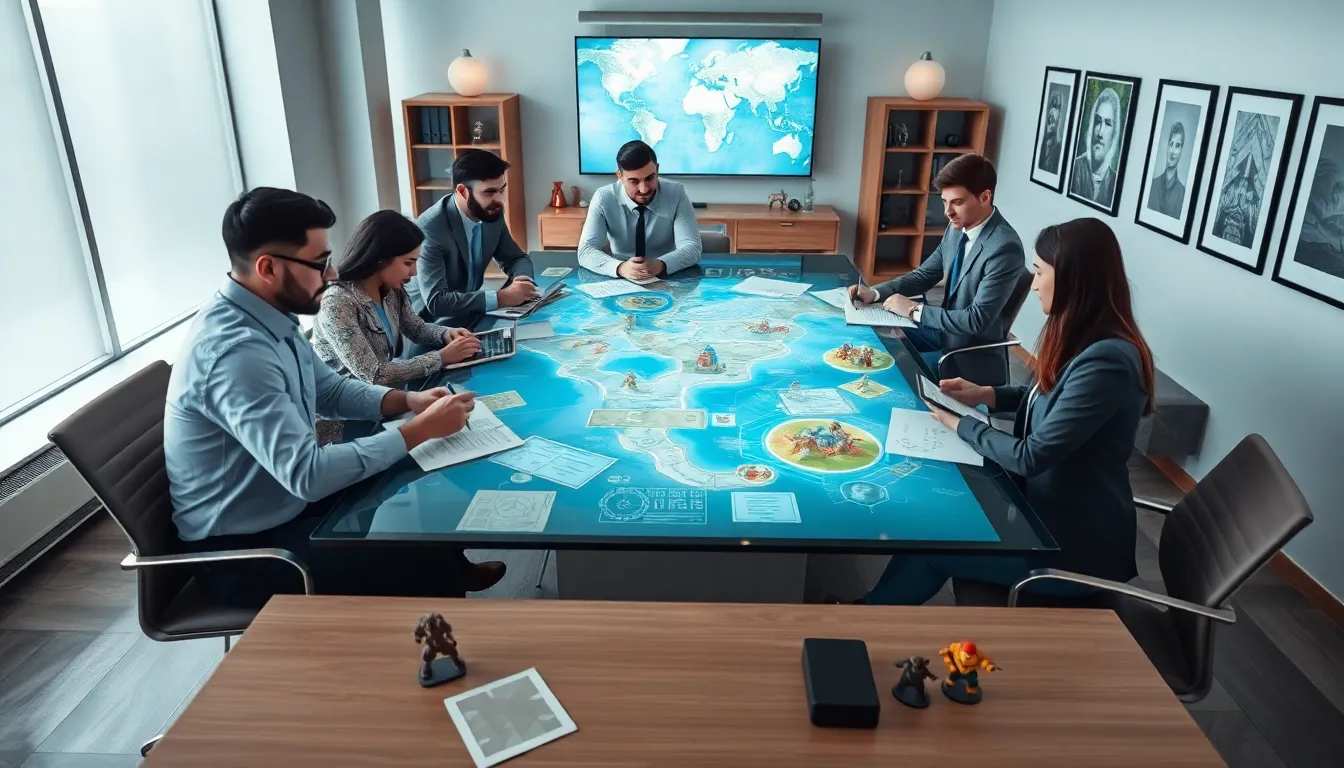
Strategy games ideas are the foundation of every memorable title in the genre. Whether someone is building a turn-based masterpiece or a fast-paced real-time experience, the concept matters more than flashy graphics or complex mechanics. A strong idea separates forgettable games from ones players discuss for years.
This article explores fresh strategy games ideas across multiple formats. Readers will find concepts for turn-based systems, real-time innovations, hybrid mechanics, and unique thematic settings. Each section offers practical inspiration for developers, designers, and hobbyists ready to create something new.
Table of Contents
ToggleKey Takeaways
- Strong strategy games ideas prioritize compelling concepts over flashy graphics or complex mechanics.
- Turn-based formats excel with innovative approaches like political intrigue, ecosystem management, and generational warfare.
- Real-time strategy innovations such as fog of peace, supply line sabotage, and living terrain can refresh the genre.
- Hybrid mechanics—like card-driven armies or tower defense city builders—attract players from multiple gaming communities.
- Unique themes like microscopic warfare, deep ocean exploration, or corporate espionage make familiar gameplay feel fresh.
- Victory conditions beyond combat, such as morale-based wins or resource theft, create more dynamic and interactive gameplay.
Turn-Based Strategy Game Concepts
Turn-based strategy games reward patience and planning. Players make decisions without time pressure, which allows for deeper tactical thinking. Here are several strategy games ideas that work well in turn-based formats.
Political Intrigue Over Combat
Instead of armies clashing on battlefields, players could manage influence networks. They would place advisors in rival courts, spread propaganda, and arrange marriages to gain power. Combat becomes a last resort rather than the primary mechanic. This approach appeals to players who enjoy games like Crusader Kings but want even less direct warfare.
Ecosystem Management
Players control predators and prey across a shrinking habitat. Each turn represents a season. They must balance population growth with resource scarcity while competing against other species controlled by AI or other players. The goal shifts from destruction to survival and adaptation.
Generational Warfare
Units age and die between campaigns. Players train heirs to inherit skills from veteran soldiers. A knight who survives ten battles passes combat bonuses to their child. This creates emotional investment in individual units and forces long-term planning across multiple generations.
Archaeological Expeditions
Teams explore ancient ruins tile by tile. They recruit specialists, manage supplies, and solve puzzles while racing against rival expeditions. Traps and discoveries add unpredictability. The strategy lies in resource allocation and team composition rather than military conflict.
Real-Time Strategy Innovations
Real-time strategy games demand quick thinking and multitasking. The genre has established conventions, but fresh strategy games ideas can still push boundaries.
Fog of Peace
Most RTS games hide enemy positions in fog of war. What if the fog covered peaceful areas instead? Players see all conflict zones but lose visibility of regions at peace. This rewards aggression while making defensive turtling genuinely risky. Enemies could build forces in calm territories undetected.
Supply Line Sabotage
Units require constant resource flow from bases. Players don’t just attack armies, they target supply convoys. A powerful tank becomes useless without fuel. This shifts focus from army size to logistics management and route protection.
Asymmetric Time Scales
One player operates in real-time while the opponent plays in accelerated time but with fewer actions per minute. The fast player sees the big picture and makes strategic decisions. The slow player handles tactical micro-management. Teams of two could split these roles cooperatively.
Living Terrain
The map itself changes during matches. Rivers flood, forests grow or burn, and mountains slowly erode. Players must adapt strategies to shifting geography rather than memorizing static maps. This keeps even experienced players on their toes and prevents stale meta-strategies.
Hybrid and Unique Gameplay Mechanics
Some of the best strategy games ideas blend genres or introduce mechanics that defy easy classification. Hybrid approaches attract players from multiple communities.
Tower Defense Meets City Building
Players construct cities that double as defensive networks. Residential buildings provide workers. Factories produce weapons. Roads determine patrol routes. When enemies attack, the city layout becomes the battlefield. Peaceful building phases alternate with intense defense sequences.
Card-Driven Army Management
Units exist as cards in a deck rather than pieces on a board. Drawing determines available forces each turn. Players build decks before matches and adapt to random draws during play. This adds roguelike unpredictability to traditional strategy gameplay.
Simultaneous Hidden Orders
Both players write orders secretly, then reveal them at once. Units execute commands without knowing enemy movements. This creates tense guessing games and rewards prediction over reaction. Diplomacy board game fans already love this mechanic, but it rarely appears in video games.
Resource Theft Over Production
No player generates resources naturally. All materials come from stealing or trading. Raids on neutral territories provide initial supplies. Later, players must take from each other or negotiate trades. This forces interaction and prevents isolated base-building.
Morale as Primary Victory Condition
Armies don’t fight to destruction. Units rout when morale breaks. Players win by demoralizing opponents through flanking, intimidation, and psychological warfare. Killing becomes inefficient compared to breaking enemy spirit.
Theme and Setting Ideas for Strategy Games
Mechanics matter, but theme sells strategy games ideas to audiences. A fresh setting can make familiar gameplay feel new again.
Microscopic Warfare
Players command bacteria, viruses, or cells inside a human body. The immune system serves as a neutral threat. Resources include proteins and cellular energy. The biological setting offers visual distinctiveness and educational potential.
Deep Ocean Exploration
Underwater bases on alien oceans require pressure management alongside typical resource concerns. Sonar replaces visual scouting. Creatures from the deep add unpredictable hazards. This setting remains underused even though its strategic potential.
Corporate Espionage in Near-Future Cities
Megacorporations compete for market dominance through hacking, product development, and hostile takeovers. Combat happens through legal battles, stock manipulation, and cyber warfare. This theme resonates with modern concerns about tech monopolies.
Post-Apocalyptic Farming
After civilization collapses, communities fight over fertile land. Players manage crops, defend harvests, and raid neighbors during winter. Seasonal cycles force timing decisions. Food becomes more valuable than weapons.
Mythology Mashup
Gods from different pantheons clash for worshippers. Greek heroes fight Norse giants while Egyptian deities scheme in the background. Players command forces from one mythology while adapting to opponents from others. The variety allows endless faction diversity.

