

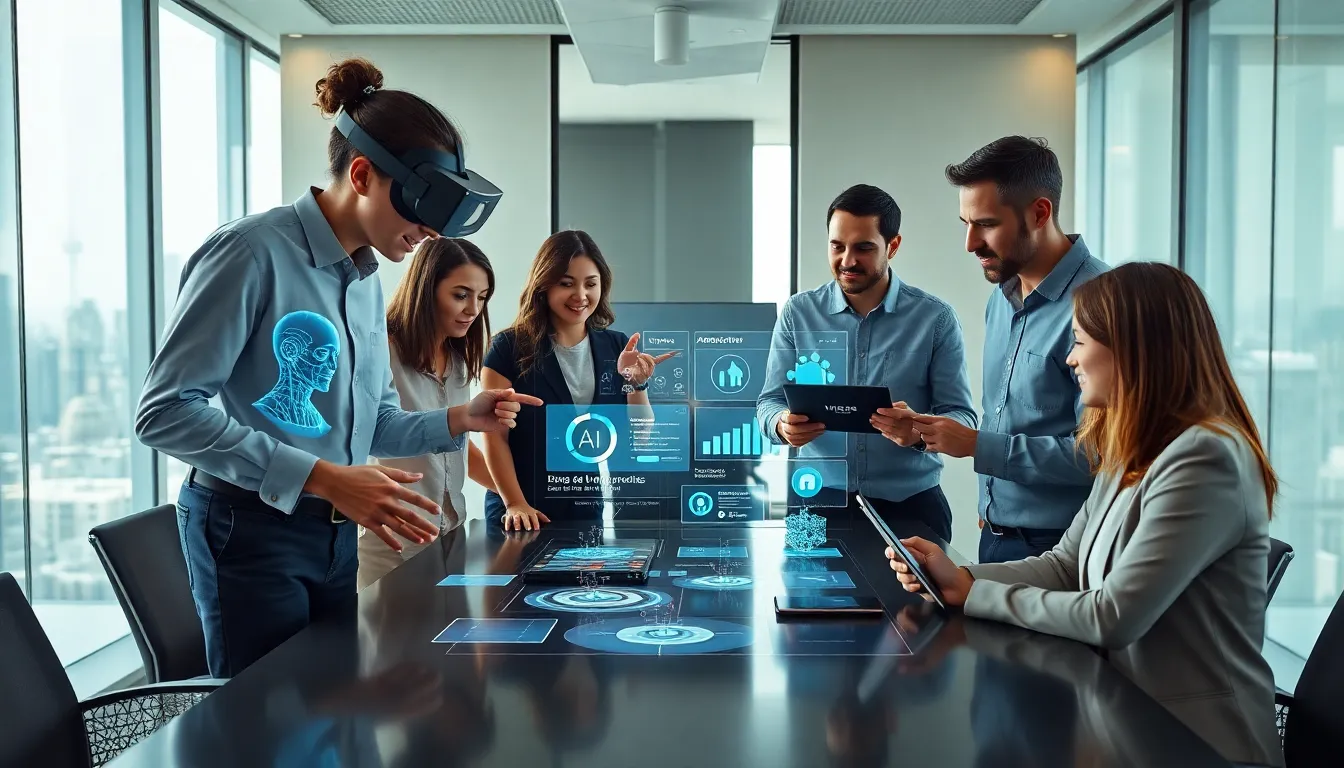
Puzzle games trends 2026 point to a year of major innovation. The genre is shifting fast, driven by new technology and changing player expectations. AI, multiplayer features, virtual reality, and story-rich experiences are reshaping how people solve puzzles on their screens.
This article breaks down the key puzzle games trends 2026 will bring. From smarter difficulty systems to social play and immersive VR puzzles, the year ahead promises fresh ways to challenge the mind. Here’s what players and developers should expect.
Table of Contents
ToggleKey Takeaways
- AI-driven adaptive difficulty will personalize puzzle games in 2026, adjusting challenges in real time based on player behavior.
- Social and multiplayer puzzle experiences are on the rise, with co-op modes, competitive leaderboards, and live events reshaping how people play together.
- VR and mixed reality puzzles offer immersive, tactile experiences that turn abstract challenges into physical interactions.
- Narrative-driven puzzle games are surging, blending compelling storylines with logic challenges to deepen emotional engagement.
- Puzzle games trends 2026 show indie studios leading innovation by combining puzzles with adventure, RPG, horror, and mystery elements.
- Hardware improvements and growing VR adoption are making immersive puzzle games more accessible to a wider audience.
AI-Driven Adaptive Difficulty and Personalization
One of the biggest puzzle games trends 2026 will showcase is AI-driven adaptive difficulty. Games are getting smarter at reading player behavior. They adjust challenge levels in real time based on how someone plays.
This means fewer frustrating dead ends. If a player breezes through early stages, the game raises the stakes. If someone struggles, it dials back the pressure without making progress feel cheap. The result? A smoother experience that keeps players engaged longer.
Personalization goes beyond difficulty. AI now tracks preferred puzzle types, solving styles, and even play session lengths. Some games use this data to generate custom puzzles. Others suggest content that fits a player’s taste. It’s like having a game that learns what you love and delivers more of it.
Developers see clear benefits here. Retention rates improve when players don’t hit walls. Engagement stays high when puzzles feel just right, not too easy, not too hard. Expect more studios to invest in machine learning tools that power these adaptive systems.
The puzzle games trends 2026 will cement AI as a core feature, not a gimmick. Players who want personalized challenge will find plenty of options. And for those who prefer old-school static difficulty, many games will still offer manual settings.
The Rise of Social and Multiplayer Puzzle Experiences
Puzzle games have long been solo affairs. That’s changing fast. Among the puzzle games trends 2026, social and multiplayer features stand out as a major shift.
Co-op puzzles let friends solve challenges together. Some games split tasks, one player holds a clue, while another uses it to unlock a door. Others require synchronized actions to progress. Communication becomes part of the puzzle itself.
Competitive modes are gaining ground too. Leaderboards, head-to-head races, and timed challenges add urgency. Players test their speed and logic against others worldwide. Some titles blend cooperation and competition, where teams race against each other.
Live events and seasonal content keep communities active. Weekly challenges, limited-time puzzles, and shared rewards give players reasons to return. These features borrow from live-service games in other genres. They work well for puzzles because short play sessions fit busy schedules.
Streaming also plays a role in puzzle games trends 2026. Audience participation modes let viewers help or hinder streamers in real time. This turns puzzle solving into a spectator sport. It builds community and drives game discovery.
The social puzzle space is growing because connection matters. People want shared victories and friendly competition. Expect 2026 to bring more games designed for groups, not just lone thinkers.
Immersive Puzzles in VR and Mixed Reality
Virtual reality and mixed reality are pushing puzzle games into new territory. These platforms turn abstract challenges into physical experiences. The puzzle games trends 2026 show strong momentum in this space.
VR puzzles use hand tracking and spatial awareness. Players reach, grab, rotate, and place objects in 3D space. A simple lock puzzle becomes a tactile task. Escape room games thrive here because they replicate real-world problem solving.
Mixed reality blends digital puzzles with physical environments. A player might see clues projected onto their living room wall. Or they could stack virtual blocks on a real table. This hybrid approach opens creative possibilities that flat screens can’t match.
Hardware improvements help drive these puzzle games trends 2026. Lighter headsets, better displays, and more accurate controllers reduce friction. More people own VR devices now than three years ago. That larger audience attracts developers.
Accessibility remains a concern. Motion sickness affects some players. Physical space limits others. Smart studios design puzzles with comfort settings and seated options. They also create content that works in small rooms.
The immersive puzzle category will grow in 2026. Games that use VR and mixed reality well offer something unique, puzzles players feel in their hands, not just see on screens.
Narrative-Driven and Hybrid Genre Puzzles
Story has become a selling point for puzzle games. The puzzle games trends 2026 highlight a surge in narrative-driven titles that wrap challenges in compelling plots.
These games treat puzzles as story beats. Solving a cipher reveals a character’s secret. Fixing a machine moves the plot forward. Progress feels earned because it ties directly to the narrative. Players stay invested because they care about what happens next.
Hybrid genres are expanding too. Puzzle-adventure games blend exploration with logic challenges. Puzzle-RPGs add leveling, abilities, and equipment to the mix. Some titles combine puzzles with horror, romance, or mystery elements. The lines between genres blur more each year.
Indie studios lead much of this innovation. Smaller teams take risks that big publishers avoid. They experiment with tone, structure, and mechanics. Many breakout hits from recent years came from indie developers who mixed puzzles with strong storytelling.
Writing quality matters in these games. Weak dialogue or flat characters undercut the experience. The best narrative puzzle games hire talented writers and voice actors. They invest in story like it’s as important as gameplay, because for their audience, it is.
Puzzle games trends 2026 point toward deeper emotional engagement. Players want to think and feel. Games that deliver both will find loyal fans.

